Introduction
Disasters such as earthquakes, floods, hurricanes, and wildfires can cause massive damage to communities and infrastructure. In such situations, disaster management crews play a critical role in saving lives, providing emergency assistance, and restoring stability. However, their effectiveness depends greatly on the resources, training, and support they receive.
Empowering disaster management crews is essential to ensure that they can respond quickly and efficiently when emergencies occur. By improving training programs, investing in technology, strengthening coordination, and supporting mental well-being, governments and organizations can significantly enhance disaster response capabilities.
Importance of Disaster Management Crews
Disaster management teams are responsible for responding to emergencies, rescuing victims, coordinating relief efforts, and helping communities recover after disasters. Their work often involves high-risk situations where quick decision-making and coordination are crucial.
These teams operate in challenging environments where resources may be limited and conditions can change rapidly. Empowering them with the right tools, knowledge, and support ensures that they can manage emergencies effectively and reduce the impact of disasters.
Strong disaster management systems not only save lives but also help communities recover more quickly and minimize economic losses.
Providing Advanced Training and Education
Training is one of the most important factors in strengthening disaster management crews. Emergency responders must be prepared to handle various types of disasters, including natural hazards and human-made emergencies.
Comprehensive training programs can include disaster preparedness, rescue operations, medical response, communication strategies, and crisis management. Regular drills and simulations help teams practice real-life scenarios and improve coordination among different agencies.
Continuous education also ensures that disaster management professionals stay updated with new techniques, technologies, and international best practices.
Access to Modern Technology
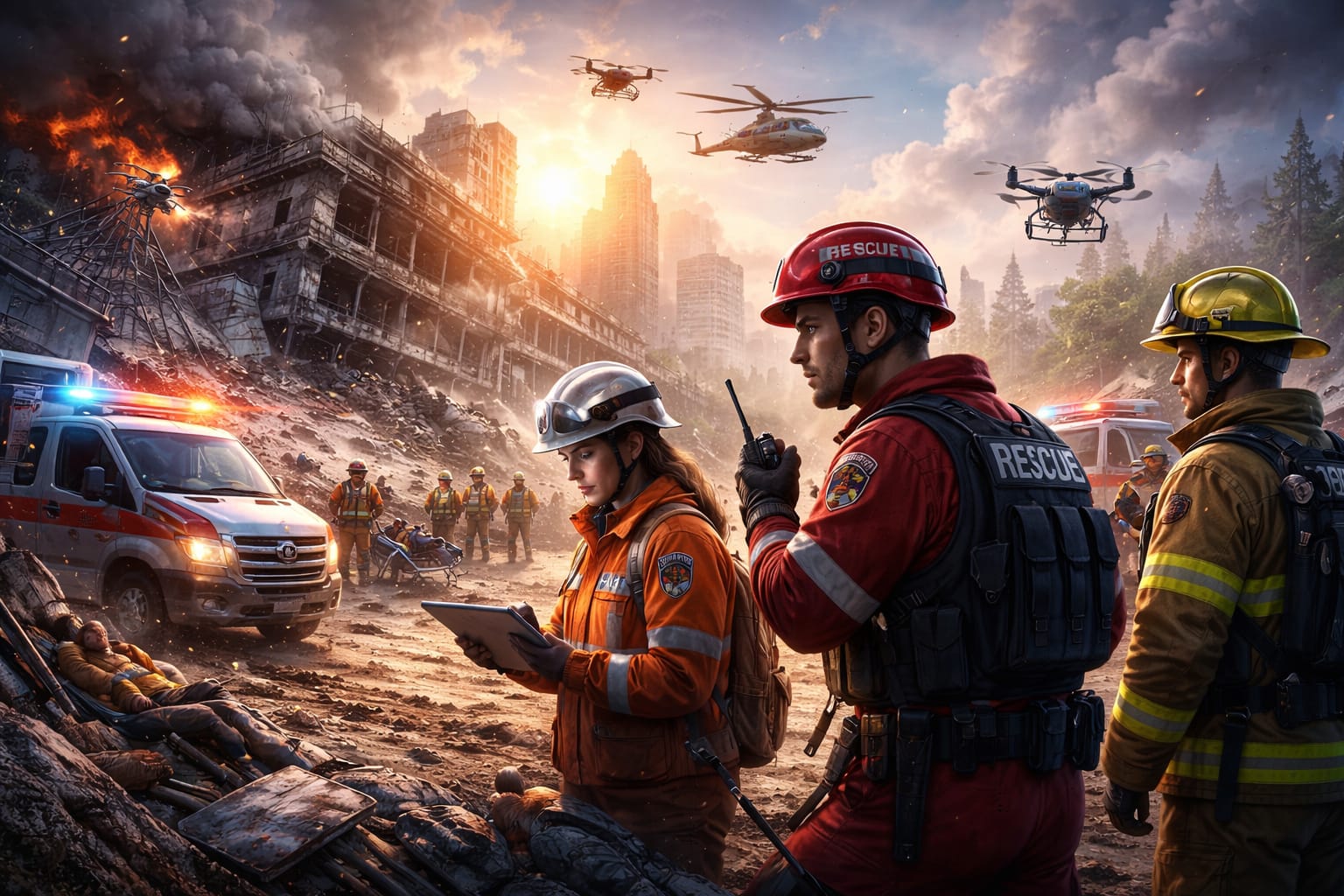
Technology plays a crucial role in modern disaster management. Advanced tools can help responders assess situations quickly, communicate effectively, and coordinate rescue efforts more efficiently.
For example, drones can be used to survey disaster zones and locate survivors in difficult-to-reach areas. Geographic information systems (GIS) help teams map affected regions and plan rescue operations. Communication technology ensures that emergency teams remain connected even in challenging environments.
Providing disaster management crews with access to modern technology significantly improves their ability to respond quickly and make informed decisions during emergencies.
Strengthening Coordination Between Agencies
Effective disaster response requires strong coordination between multiple organizations, including emergency services, government agencies, healthcare providers, and community groups.
Empowering disaster management crews involves building strong partnerships and communication networks between these stakeholders. Clear roles and responsibilities help avoid confusion during emergencies and ensure that resources are used efficiently.
Joint training exercises and coordinated planning can strengthen collaboration and improve response times during real disasters.
Ensuring Adequate Resources and Equipment
Disaster response teams require specialized equipment to carry out their duties safely and effectively. This includes rescue tools, medical supplies, protective gear, transportation vehicles, and communication devices.
Providing adequate funding and resources ensures that disaster management crews can operate without unnecessary limitations. Well-equipped teams are better prepared to handle complex emergencies and provide immediate assistance to affected communities.
Investing in equipment and infrastructure is essential for building a resilient disaster management system.
Supporting Mental Health and Well-being
Disaster response work can be physically and emotionally demanding. Responders often witness traumatic situations and work long hours in high-pressure environments.
Supporting the mental health and well-being of disaster management crews is crucial for maintaining their effectiveness and long-term resilience. Providing counseling services, rest periods, and psychological support can help responders cope with stress and prevent burnout.
A healthy and motivated workforce is essential for effective disaster management.
Community Involvement and Public Awareness
Communities play a vital role in disaster preparedness and response. Educating the public about disaster risks and safety measures can significantly reduce the impact of emergencies.
Disaster management crews can be empowered by working closely with communities to promote preparedness programs, early warning systems, and emergency response training.
When communities are informed and prepared, disaster response teams can operate more effectively and focus on critical rescue operations.
The Future of Disaster Management
As climate change and urbanization increase the frequency and impact of disasters, the role of disaster management crews will become even more important. Investing in innovation, training, and technology will be essential for building stronger disaster response systems.
Future disaster management strategies may include artificial intelligence for predicting disasters, advanced communication networks for faster coordination, and improved infrastructure to withstand natural hazards.
Empowering disaster management crews today will help societies become more resilient and better prepared for future challenges.
Conclusion
Disaster management crews are the frontline responders who protect communities during emergencies. Empowering them with proper training, modern technology, adequate resources, and strong institutional support is essential for effective disaster response.
By investing in disaster management systems and strengthening collaboration between agencies and communities, societies can reduce the impact of disasters and save countless lives. A well-supported and empowered disaster management crew is a crucial element of a resilient and prepared society.
FAQs
What is the role of disaster management crews?
Disaster management crews respond to emergencies, rescue victims, provide relief assistance, and help communities recover after disasters.
Why is empowering disaster management crews important?
Empowering these teams improves response speed, coordination, and effectiveness during emergency situations.
How can technology help disaster response teams?
Technology such as drones, GIS mapping, and communication systems helps teams assess damage, locate victims, and coordinate rescue operations.
What kind of training do disaster management crews need?
They need training in emergency response, medical aid, rescue operations, crisis management, and disaster preparedness.
How can communities support disaster management efforts?
Communities can support disaster management by participating in preparedness programs, following safety guidelines, and cooperating with emergency responders.