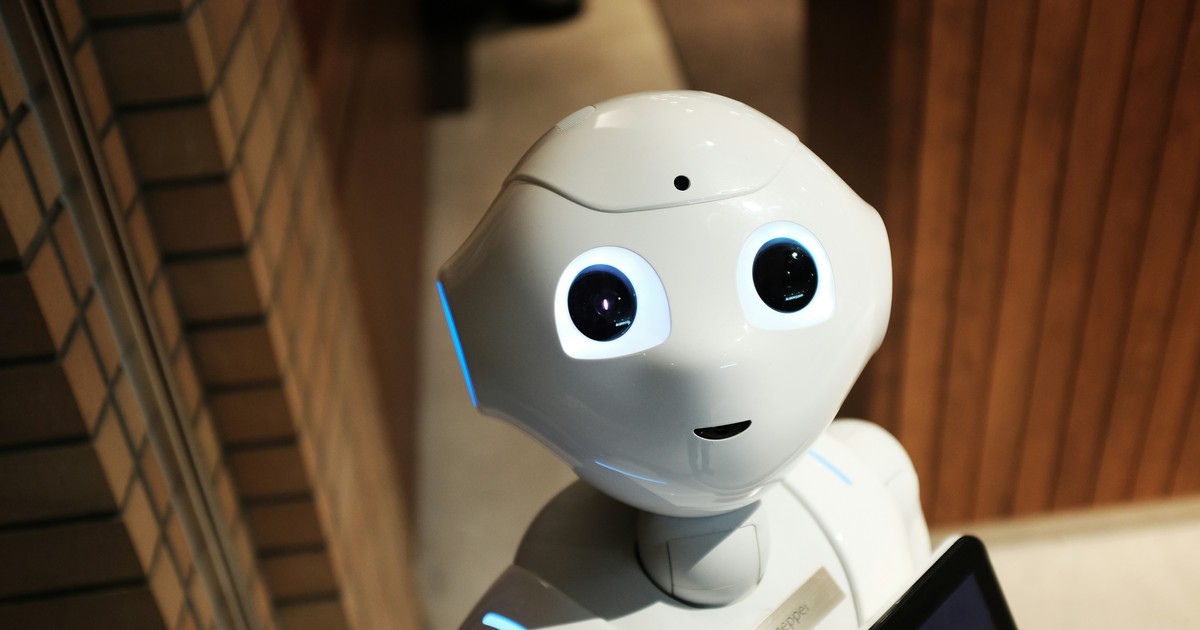
Every couple of years, a handful of technologies quietly take over how we live and work, while the ones that dominated headlines before fade into the background. A decade ago it was smartphones and social apps. Right now, five technologies stand out — not because they’re trendy, but because they’ve actually changed how people get things done, often in ways nobody bothered to announce. Here’s an honest look at each one, what’s actually happening with it, and where it seems to be going.
Artificial intelligence
AI stopped being a buzzword a while ago. It’s now something people use the way they use electricity — rarely thinking about it, but completely dependent on it. Writers use it to get past a blank page, developers use it to catch bugs faster, and small business owners use it to handle work they used to pay someone else to do, from drafting emails to summarizing contracts.
What’s changed this year isn’t the technology itself so much as how comfortable people have gotten with it. A shop owner in a small town and a software engineer in a major city are, in many cases, using the same tools now, just for different problems. A tailor uses it to write Instagram captions. A lawyer uses it to draft the first pass of a document before editing it properly. That kind of broad, casual adoption doesn’t happen with gimmicks. It happens when something actually saves time, day after day, without anyone having to think too hard about it.
There’s also a quieter shift happening inside companies. A few years ago, using AI meant opening a chatbot in a browser tab. Now it’s built directly into spreadsheets, email clients, and internal software, so people don’t even register that they’re using it. That’s usually a sign a technology has moved from novelty to infrastructure, and AI has clearly crossed that line.
The next stretch will probably be less dramatic but more useful. Expect AI to keep showing up inside the apps people already use instead of existing as a separate destination they have to visit on purpose.
Cloud computing
This one rarely gets talked about because it isn’t flashy, but almost nothing on this list works without it. Every AI tool, every app on your phone, every online store is quietly leaning on servers somewhere that most people will never think about, let alone see.
What’s worth noting is who has access to it now. A two-person startup can rent the same computing power that used to belong exclusively to massive corporations with their own data centers. That shift has made it possible for smaller companies to build products that would have been financially impossible a decade ago. A small team building a new app no longer needs to buy servers or hire an IT department just to get started; they can rent exactly what they need and scale up only when the business actually grows.
This also explains why so much of today’s technology feels instant. Streaming a show, saving a document, or running an AI model all depend on cloud systems built to respond in a fraction of a second. When that infrastructure works well, it’s invisible. People only notice it when something goes wrong.
Blockchain and decentralized systems
Blockchain had its loud, chaotic phase — the crypto boom, the crashes, the headlines about fortunes made and lost overnight. That phase is mostly over, and honestly, that’s a good thing for the technology itself. What’s left behind is a more sensible use of it: tracking shipments, verifying records, and building systems where nobody can quietly alter data after the fact.
Hospitals, logistics companies, and even some local governments are testing it for exactly this reason, not to chase profit, but to make records harder to tamper with. A shipping container’s journey across three countries can now be logged in a way that’s nearly impossible to fake after the fact. A land registry can keep a record that can’t be quietly edited by someone with the right access and bad intentions.
It’s slower, quieter work than the crypto years, and it doesn’t make for exciting headlines. But it’s the kind of unglamorous, practical work that tends to stick around long after the hype has faded.
Robotics and automation
Automation used to mean factory floors and assembly lines, something most people only saw in documentaries about car manufacturing. Now it means restaurants running food delivery robots down city sidewalks, warehouses sorting packages without human hands touching them, and small businesses automating scheduling and invoicing so a two-person team can run like a five-person one.
The appeal here isn’t really about looking futuristic. It’s about cost and consistency. Labor is expensive and hard to scale quickly, and automation lets businesses do more without constantly hiring and training new people. A restaurant that automates its online ordering doesn’t need an extra staff member just to answer the phone during a lunch rush. That practical reasoning is exactly why this trend keeps growing steadily instead of in sudden bursts driven by hype.
There’s a human side to this too, and it’s worth being honest about it. Some jobs are genuinely changing shape because of automation, and that transition isn’t always smooth. But the businesses adopting it aren’t doing so to be dramatic — they’re doing it because the math simply works out in their favor.
Wearable technology
Smartwatches and fitness bands used to be a novelty for people who liked gadgets, something you’d buy mostly to see your step count go up. Now they’re genuinely part of how people manage their health, tracking sleep, heart rate, and stress in a way that gives real data instead of guesswork.
Doctors are starting to pay attention to this too. Instead of relying on a single blood pressure reading during a rushed ten-minute appointment, some are now looking at weeks of data collected from a patient’s wrist. A heart irregularity that might have gone unnoticed for months can now show up in a week of watch data and get flagged early. That’s a meaningful shift in how problems get caught, and it’s likely to become a standard part of healthcare rather than staying a fitness trend for people who already go to the gym.
Where this leaves us
None of these five technologies are the future anymore. They’re just part of how things work now, whether people notice it or not. AI drafts the first version of an email. Cloud servers quietly keep every app running. Blockchain secures records nobody sees. Robots and automated systems handle the repetitive work behind the scenes. Wearables keep a quiet log of how a person’s body is actually doing.
The businesses and individuals paying closest attention aren’t the ones chasing the next big headline. They’re the ones quietly figuring out how to use what’s already here a little better than everyone else, and that, more than any single breakthrough, is usually what actually separates the people who get ahead from the ones who are still waiting for permission to start.